
You can often get extra legroom without paying—if you time online check-in, pick the right seats, and work the gate.
Start by logging in when check-in opens, scan seat maps for newly freed exit or bulkhead rows, or skip seat selection to trigger a gate assignment.
This post lays out simple, repeatable steps for check-in timing, seat-map reading, and polite gate scripts that actually win better seats.
It’s not guaranteed—aircraft type and how full the flight is matter—but these tactics tilt the odds in your favor.
Immediate No‑Cost Legroom Tactics During Check-In and Pre‑Boarding
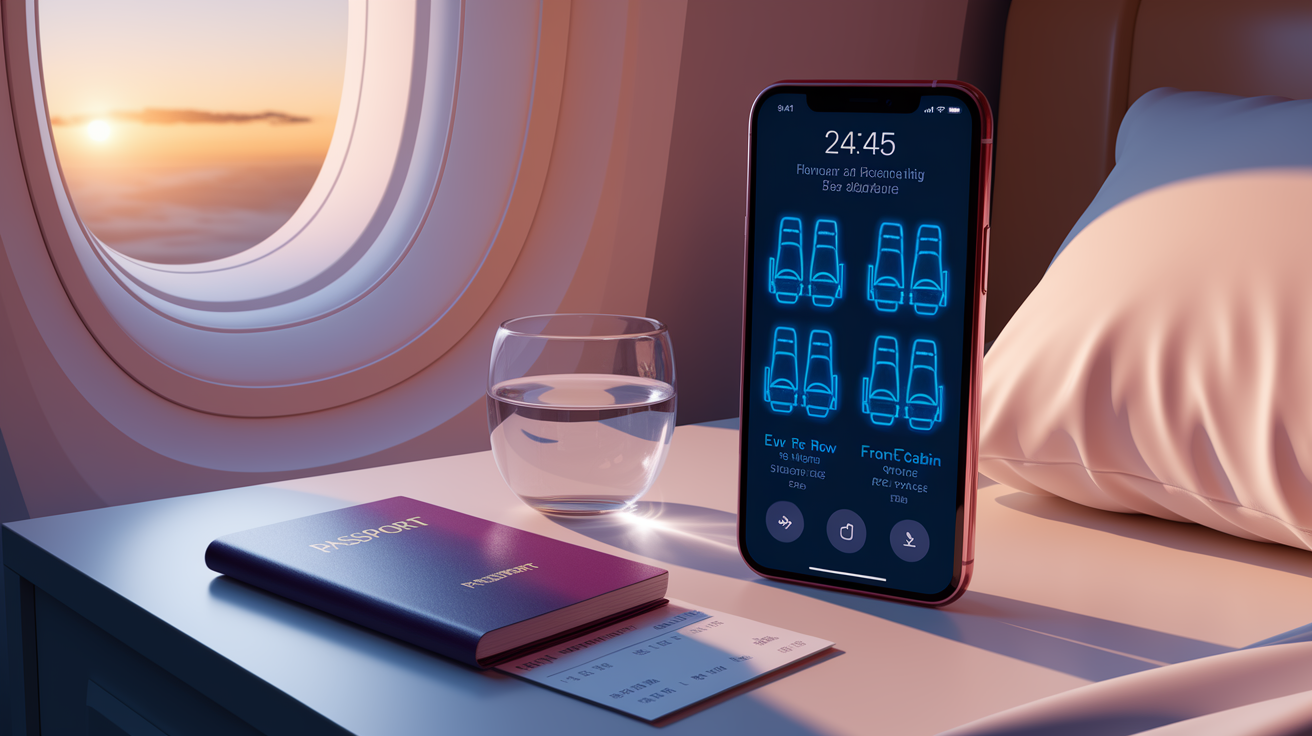
Online check-in opens 24 hours before departure. Sometimes 48 on international routes. That’s when airlines drop exit-row and bulkhead seats they’ve been holding for elite members or operational reasons. If you log in right when it opens, you’ll see inventory that wasn’t there when you booked. Most people sleep through this window or check in the next morning. Early risers win.
Skip seat selection when you book. Let the system flag you as “seat unavailable, see gate agent.” This forces the airline to assign you at the airport, and gate agents can pull from front-cabin inventory, extra-legroom rows, and seats held for last-minute moves. One passenger on JetBlue bought a ticket two days out and skipped seat selection. Initial options were middle seats, 22B and 24B, way in back. About an hour before airport time, the booking switched to “see gate agent.” At check-in the seat appeared as 18B, then refreshed to 12E. Gate agent reassigned to 7C at the desk, an aisle near the front.
Gate agents are trying to get the plane out on time. Show up without a seat assignment and you become a useful piece they can move. They’ll shift passengers to fill gaps, accommodate families, clear standby lists. Be polite and flexible when the final shuffle happens. You’ll land in the reassignment pool where better seats often go.
Log in exactly when online check-in opens. Set a phone alarm for 24 hours before departure. Scan the seat map for newly released exit rows, bulkheads, front-cabin aisles and windows. If the row you want is still blocked, refresh every few hours until departure.
If only poor middle or back rows remain, skip selecting entirely. Let the system flag you for gate assignment. Check your boarding pass about an hour before heading to the airport. If it says “see gate agent,” that’s good.
Arrive at the gate early and check in with the agent before pre-boarding starts. Introduce yourself, confirm your seat assignment. If they ask where you’d like to sit, say “I’m flexible, aisle or window anywhere that helps the flight board smoothly.” Stay near the podium during pre-boarding. Agents call passengers by name for last-minute reassignments as no-shows become clear.
Seat Map and Aircraft Layout Strategies for Natural Extra Legroom
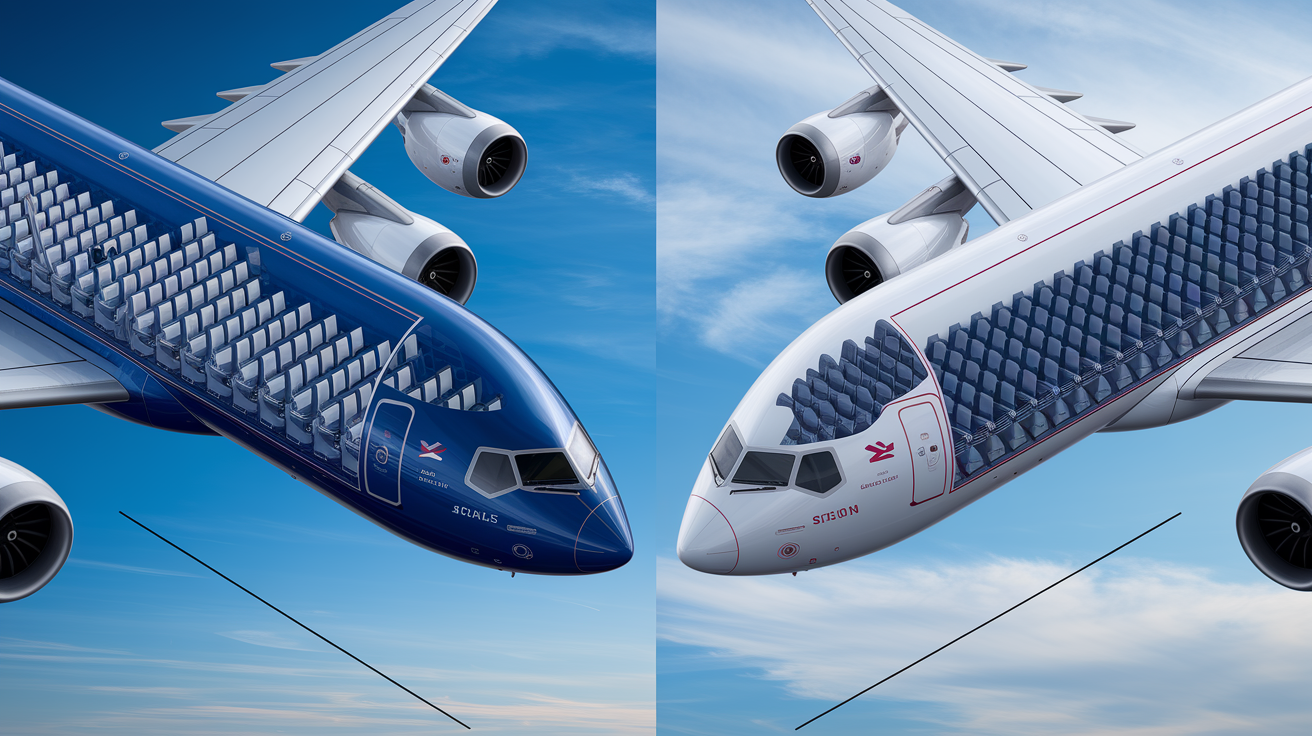
Seat pitch is the distance from one seat back to the next, measured in inches. A high-density airline can pack 178 seats into an Airbus A320. Another carrier fits only 138 seats in the same fuselage. That 40-seat gap translates directly into legroom, elbow space, whether your knees touch the seatback in front of you. Spirit’s A320 leaves passengers squeezed. United’s A320 on the same route feels noticeably more comfortable, even in standard economy. Check the aircraft type during booking and cross-reference it with seat-density data. You can choose flights where “regular” seats already offer what other airlines charge extra for.
Some aircraft have layout quirks that create free legroom zones. Certain Boeing 747 international configurations place two-seat window rows near the back of the upper deck. No middle seat, more lateral space to angle your legs. A few widebody planes have bulkheads with no under-seat storage restrictions, giving you full foot stretch. SeatGuru maps highlight these on a plane-by-plane basis, flagging both problem seats (reduced recline, lavatory proximity, missing windows) and hidden wins like extra space near emergency exits that aren’t sold as premium rows.
| Aircraft Model | Notable Legroom Advantage | Notes |
|---|---|---|
| Boeing 747 (upper deck rear) | Two-seat window rows with no middle | More lateral space; check SeatGuru for specific configurations |
| Airbus A320 (low-density layout) | Fewer total seats = more pitch throughout cabin | Compare carriers; United’s A320 has 138 seats vs Spirit’s 178 |
| Boeing 737-800 (exit row 16) | Full legroom with recline, unlike some exit rows | Not all exit rows ban recline; verify row-specific rules |
| Airbus A321 (bulkhead row 11) | No under-seat bag but full foot extension | Trade storage for leg stretch; good for carry-on-only travelers |
Seat Selection Tactics to Increase Odds of an Empty Adjacent Seat
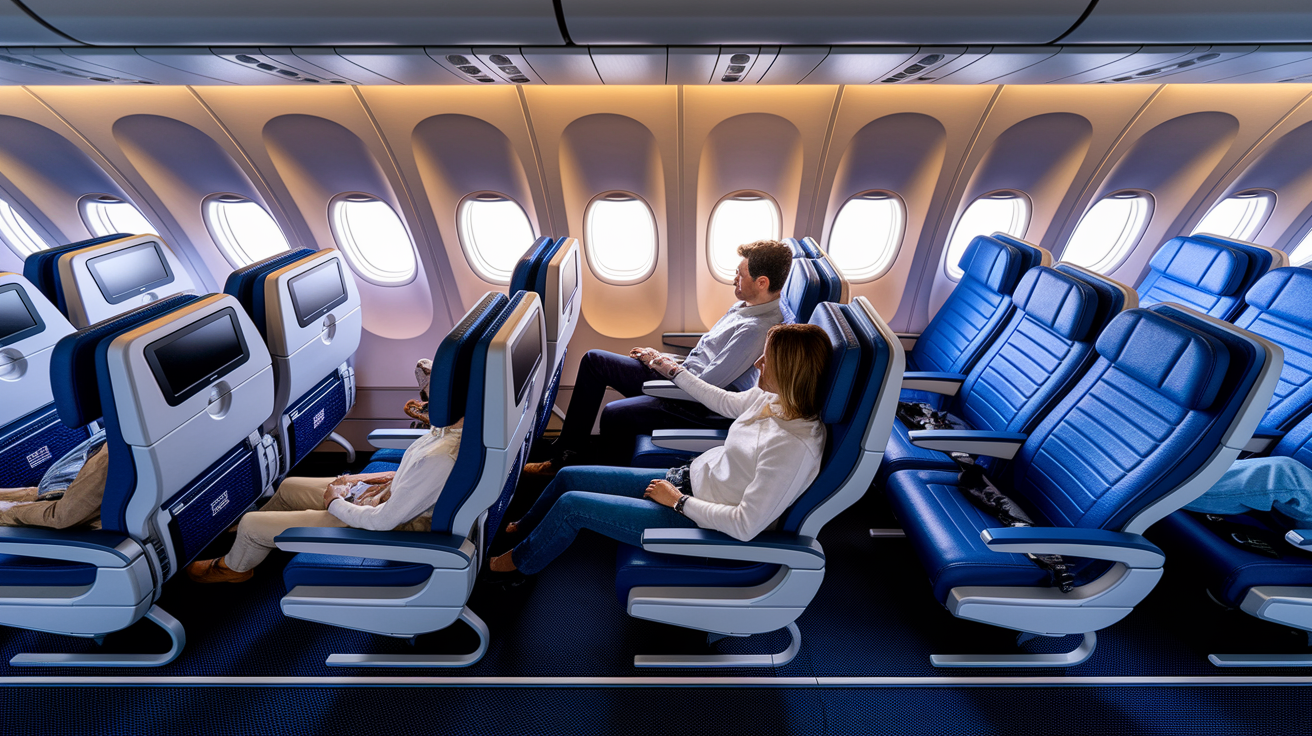
Middle seats are the least desirable on almost every flight. Passengers choosing seats online grab aisles and windows first. Middles stay open until last. If you’re traveling with one other person, book one aisle and one window in the same three-seat row. That orphaned middle seat in between will stay empty unless the flight fills completely. If someone does take it, they almost always agree to swap so you and your companion can sit together. You get an aisle or window either way.
Pick a window seat in a row where the aisle is already occupied and the middle is open. Solo travelers avoid sitting next to strangers, so the middle often stays empty. Avoid rows near lavatories and galleys. Those fill first because passengers assume the trade-off (noise, traffic) is worth avoiding a worse seat elsewhere.
Check the seat map 12 hours before departure. If your row’s middle is still open and surrounding rows are filling, your odds are good. On smaller planes (under 100 seats), choose rows toward the back after the wing. Families and business travelers cluster forward, leaving rear middles open longer.
Monitor load factor in the app. Fewer than 70 percent of seats assigned? Empty middles are likely. Above 85 percent, the strategy fails. If the flight is wide-body (2-4-2 or 3-3-3), aim for the two-seat side and take the window. Even if the aisle fills, you’ve halved your neighbor risk.
Flight fullness is everything. On a packed weekend departure or holiday route, every middle will fill and seat-blocking tactics deliver nothing. Use the airline’s app to refresh the seat map the morning of your flight. If large blocks of seats remain unassigned, the flight is light and your setup will likely work. If the map is nearly solid, accept that you’ll have neighbors and focus on aisle access or a row with a smaller passenger next to you.
Gate and Airport Staff Strategies for Free Seat Improvements
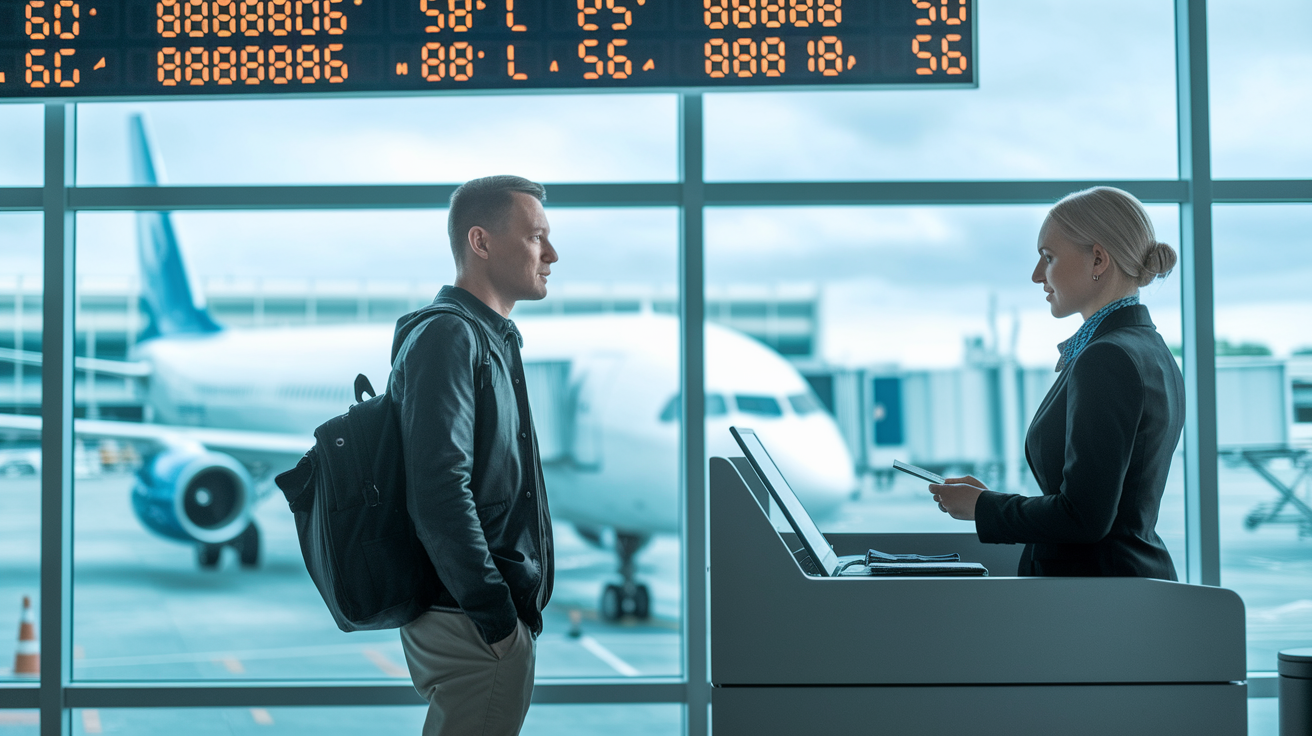
Gate agents control a pool of seats unavailable during booking. Front-cabin rows held for operational moves, exit rows reserved for last-minute assignment, seats released when elite passengers get upgraded or miss connections. These seats don’t appear in the self-service system until the agent manually assigns them. Arriving at the gate without a locked-in seat assignment makes you eligible for this hidden inventory. The agent isn’t doing you a favor. They need to seat every ticketed passenger and will use available space to solve the puzzle quickly.
Skipping seat selection triggers reassignment because the airline must give you a seat before boarding. If you present at the gate desk early, the agent sees you as a flexible body they can place wherever helps the overall load. Scripts like “If you need to move people around to get the flight out, I’m happy to take an aisle or window wherever works best” signal cooperation. Cooperation gets rewarded when the agent is clearing standbys, splitting families, or filling gaps left by no-shows.
Timing matters. Approach the desk 30 to 45 minutes before boarding, after online check-in has closed but before the final passenger count is locked. This is when agents know which seats are truly empty and which passengers didn’t show. Be polite, make eye contact, and say “I didn’t select a seat during booking. Are there any exit-row or front-cabin spots available?” Then stop talking and let the agent check. If they reassign you, thank them and board early. If not, say “No problem, thanks for checking” and board normally. Repeat the question at the gate if your boarding pass still shows a poor seat. Agents reassign passengers up until the door closes.
Use the phrase “I’m flexible” instead of demanding a specific row. Flexibility is your leverage. Avoid saying “I deserve better” or mentioning how much you paid. Agents tune out entitlement. If the agent says no, accept it calmly. Pushing after a polite refusal kills your chances and wastes time.
Dress neatly and avoid looking like you’ll cause trouble. Agents are more likely to place cooperative passengers in exit rows where crew rely on passenger assistance. If traveling alone, mention it. Solos are easier to slot into scattered open seats than groups.
Flight Choice Strategies for Naturally More Space Without Paying
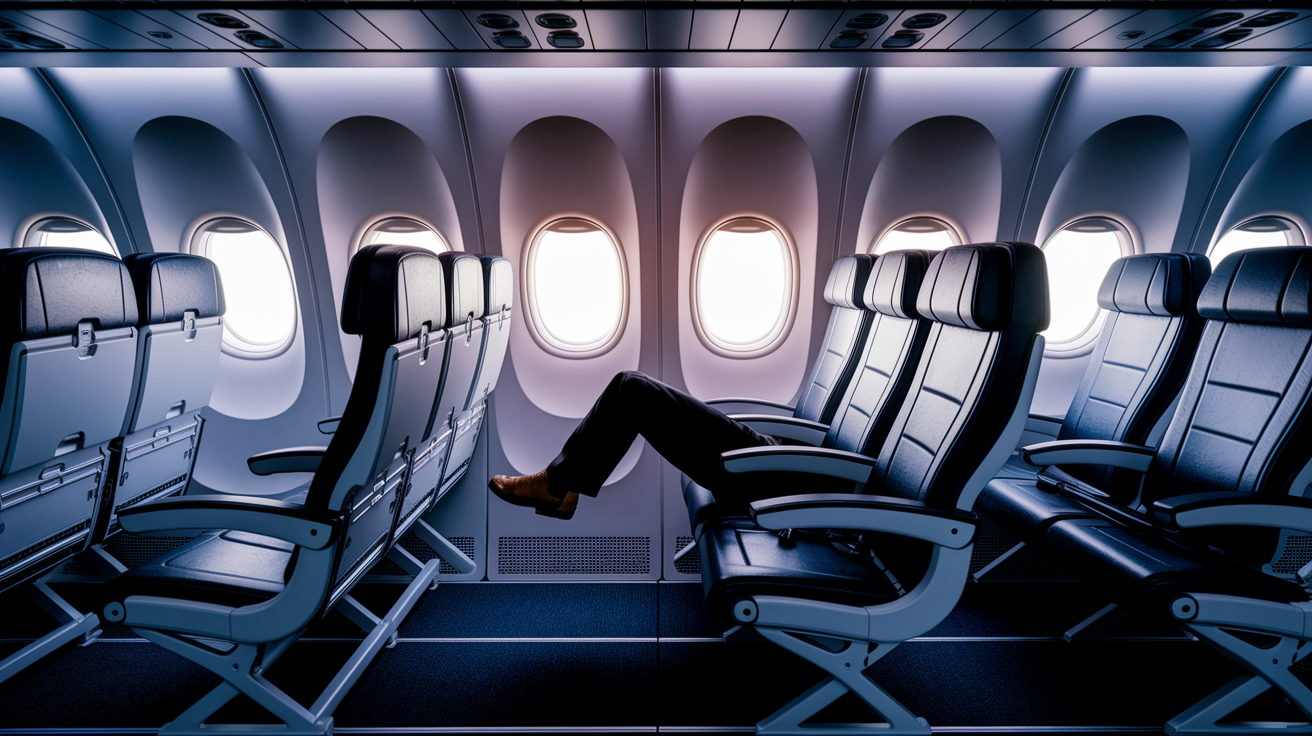
Flights on Tuesday, Wednesday, and late Thursday tend to carry fewer business travelers and families. More empty seats across the cabin. Red-eye departures and early-morning flights (before 7 a.m.) also run lighter because most passengers avoid them. Off-season routes see load factors drop 15 to 25 percent, which directly increases your odds of an empty middle or the ability to stretch across a row after takeoff. Choosing a 6 a.m. Wednesday flight instead of Friday at noon can be the difference between a packed plane and three open rows in the back.
Airlines differ dramatically in how they configure the same aircraft. RouteHappy rankings and seat-pitch databases show that JetBlue, Alaska, and Southwest tend to offer 32 to 33 inches of pitch in standard economy. Ultra-low-cost carriers compress that to 28 inches. A Spirit A320 holds 178 seats. United’s A320 holds 138. That’s 40 fewer passengers in the same fuselage, which translates to more legroom in every row without paying for an upgrade. Booking the roomier carrier on the same route costs the same or sometimes less than the dense configuration, especially when you factor in fees for seat selection and bags on the low-cost airline.
| Airline/Model | Seat Count | Relative Space Expectation |
|---|---|---|
| Spirit A320 | 178 | Tight; 28-inch pitch, minimal recline |
| United A320 | 138 | Comfortable; 31–32-inch pitch in standard economy |
| JetBlue A320 | 150 | Generous; 32–33-inch pitch across all rows |
| Southwest 737-800 | 175 | Consistent; 32-inch pitch, open seating lets you choose on board |
Tools and Alerts to Secure Better Seats Automatically
Seat inventory changes constantly. Passengers cancel, rebook, get upgraded, swap flights. Every change releases seats back into the system. Manually refreshing the seat map every few hours is tedious and easy to miss. ExpertFlyer’s Seat Alert monitors specific seats or seat types (exit row, bulkhead, aisle in rows 10–15) and sends an email or push notification the moment one opens. You log in, grab the seat, and the alert has done the repetitive work for you. SeatGuru provides the static map (what the plane looks like and which seats to avoid) but alerts handle the live availability problem.
Set a seat alert immediately after booking if your preferred row is taken. Airlines release seats in waves. A few days after booking, at 14 days out, at 7 days, then in the final 48 hours as elite upgrades clear and no-shows process. Checking these windows manually means you’ll miss seats that open at 2 a.m. or during work hours. The alert catches them and gives you a 10-minute window to act before another traveler grabs the same opening. On the day of the flight, refresh the seat map every two hours and keep notifications on. Last-minute cancellations and gate reassignments can free up front-cabin or exit-row inventory even after online check-in closes.
Enable push notifications in ExpertFlyer or the airline’s app so you see alerts immediately, not hours later in email. Set alerts for multiple seat types (exit row AND bulkhead AND front aisle) to increase your chances. The first one that opens is yours. Target seats released during elite-upgrade waves, typically 5 days, 3 days, and 24 hours before departure.
Use SeatGuru to identify which specific seat numbers to monitor. Avoid wasting an alert on a row with a problem (no recline, missing window, proximity to lavatory). Check the seat map on your phone during the day of travel. Seats reassigned at the gate sometimes appear in the app before boarding, giving you a chance to request them directly.
Final Words
Start checking in 24–48 hours and scan the seat map. Many exit rows and bulkheads get released late.
Skip paid seat picks sometimes to stay eligible for gate reassignment, learn which aircraft have more pitch, and try seat-blocking (window + aisle). Ask the gate agent politely near boarding and set simple alerts so you don’t miss openings.
If you want one rule to follow, combine timing, seat-map knowledge, and polite gate requests to learn how to get extra legroom on a plane without paying. You’ll often end up with more space.
FAQ
Q: How to get extra legroom without paying?
A: Getting extra legroom without paying means timing check-in 24–48 hours before departure, skipping seat assignment, monitoring for released exit/bulkhead seats, and asking gate agents for last-minute reassignments.
Q: Why avoid seat 11A on a plane?
A: You should avoid seat 11A because it often is a problem seat with limited recline, restricted legroom, or proximity to the galley or lavatory; always check the aircraft seat map to confirm.
Q: What is the 3-3-3 rule for flights?
A: The 3-3-3 rule describes a common widebody economy layout: three seats, aisle, three seats, aisle, three seats—nine across—so middle seats and aisle positions follow that pattern.
Q: How to get an airline to upgrade you for free?
A: Getting an airline to upgrade you for free means being polite, flexible, checking in early, noting loyalty status or special occasions, asking the gate agent at pre-boarding, and accepting there’s no guarantee.