


Want to pay hundreds less for an award ticket that should be free?
Carrier-imposed fuel surcharges (YQ) turn many “free” awards into expensive cash bills.
But you can often avoid them by choosing the right loyalty program or booking path.
This post shows which airlines and programs rarely pass YQ, how to compare exact fees before you transfer points, and simple routing tricks that save real cash.
Read on for the quick checks that keep your award truly low-cost.
Core Methods to Reduce or Avoid Fuel Surcharges on Award Tickets
Carrier‑imposed fuel surcharges (YQ or YR in fare breakdowns) are discretionary fees airlines tack onto award tickets. They started as a way to recover volatile oil costs, but these days they barely track actual fuel prices. On some routes, you’ll pay hundreds or thousands in cash fees for what should be a “free” flight. Most of that comes from YQ, not government taxes.
Here’s the thing: not all loyalty programs or carriers even charge these surcharges. Airlines that run their own frequent‑flyer schemes can choose whether to pass YQ to award bookings. Some have ditched it completely. And when you book a partner airline’s flight through a different loyalty program, the program you book through determines whether YQ shows up. Same seat, different cash outlay.
The fastest ways to dodge fuel surcharges come down to choosing the right booking path and using tools to compare fees before you commit points:
- Pick loyalty programs that never (or rarely) add YQ when booking awards, even on partner airlines
- Book the same flight through a partner program instead of the operating carrier’s own scheme
- Route through countries or airports that restrict or ban carrier‑imposed surcharges by law
- Use online award‑search tools to reveal exact YQ amounts before transferring any transferable points
- Offset unavoidable fees with credit‑card travel credits or statement‑credit perks designed for award taxes
Surcharge‑Free Airlines and Loyalty Programs for Award Tickets

Several major loyalty programs have policies that absorb carrier‑imposed surcharges. They don’t pass YQ to you when you redeem miles. Air Canada Aeroplan stopped passing fuel surcharges in mid‑2020 and now prices partner awards with only government taxes and airport fees. United MileagePlus doesn’t add YQ on any award ticket, making it reliable for Star Alliance redemptions. Avianca LifeMiles typically passes minimal partner fees. A transatlantic Lufthansa business‑class ticket that would cost roughly $1,100 in surcharges through Lufthansa’s own program might show only around $120 when booked via LifeMiles.
Alaska Mileage Plan usually avoids fuel surcharges on partner awards, with two exceptions: British Airways and Icelandair flights may carry three‑digit surcharges. For most other partners, taxes and fees stay low. A Chicago to Paris one-way award on a partner carrier booked through Alaska often shows only about $32 in taxes and fees, with no YQ component. JetBlue TrueBlue, Southwest Rapid Rewards, and Spirit Free Spirit also fall into the no‑surcharge category, though their networks and partner options can’t match global alliances.
These programs offer the best value when booking long‑haul premium‑cabin awards, where YQ can otherwise climb into four figures. Because they work across alliance partners, you can redeem miles for Lufthansa, ANA, or Cathay Pacific flights without the carrier‑imposed fees those airlines would charge in their own programs.
| Programme | Surcharge Policy | Notes |
|---|---|---|
| Air Canada Aeroplan | No YQ on any award (post‑2020) | Strong routing rules; multiple stopovers allowed |
| United MileagePlus | No YQ on any partner | Majority of partner awards bookable online |
| Avianca LifeMiles | Minimal partner fees (~$120 transatlantic) | Transfers from Amex, Citi, Capital One, Marriott |
| Alaska Mileage Plan | No YQ except BA and Icelandair | Example: ~$32 Chicago–Paris taxes |
Carriers and Routes with High Fuel Surcharges to Avoid
Programs and carriers that routinely impose heavy fuel surcharges can turn a promising award redemption into an expensive cash outlay. British Airways is the worst offender. They often charge $700 or more in YQ on transatlantic business‑class awards flown on BA metal, sometimes topping $1,000 on certain routes. Emirates Skywards levies large surcharges across all cabins on Emirates‑operated flights, making the program unattractive for most award bookings despite the quality of the onboard product.
Virgin Atlantic frequently bills hundreds of dollars in YQ on its own flights, though it offers a few niche sweet spots when booking Delta or ANA awards. Delta SkyMiles keeps YQ low on Delta‑operated flights but adds significant surcharges when you book many SkyTeam partner awards, including Air France, KLM, and Virgin Atlantic. Flying Blue (the Air France–KLM program) applies YQ on Air France and KLM flights, often adding around $300 in carrier fees. Cathay Pacific has sharply increased fuel surcharges since March 2026, with round‑trip charges rising from $36 to $100 on Singapore–Hong Kong and from $182 to $500 on Singapore–San Francisco.
High‑YQ programs and routes to watch or avoid:
British Airways Executive Club. Very high YQ on BA‑operated long‑haul (often $700–$1,000+). Best reserved for short‑haul partner awards outside the UK.
Emirates Skywards. Large surcharges on Emirates metal in all cabins. Few workarounds available.
Virgin Atlantic Flying Club. High YQ on Virgin‑ and Delta‑operated flights. Check alternative partners before booking.
Delta SkyMiles. Low YQ on Delta flights, but many partner awards (Air France, Virgin Atlantic) carry heavy surcharges.
Flying Blue (Air France–KLM). Typically ~$300 in YQ on Air France/KLM metal. Best value during monthly Promo Rewards sales.
Cathay Pacific via Asia Miles. Surcharges tripled since March 2026. Round‑trip Hong Kong now $100, San Francisco $500.
Booking Award Tickets Through Partner Airlines to Avoid Surcharges
When an airline seat’s available as an award, it often appears in multiple loyalty programs across the same alliance. The program you use to book determines whether you pay YQ, even though the flight and seat are identical. This creates arbitrage opportunities. You can search for the flight in a high‑surcharge program to confirm availability, then book it through a partner program that waives YQ.
The mechanics are simple. If you want to fly Lufthansa business class from New York to Frankfurt, you could book through Lufthansa Miles & More and face roughly $1,100 in carrier‑imposed surcharges. Or you could book the same seat through Avianca LifeMiles and pay around $120 in taxes and fees with no YQ. Same seat, same service, same routing. Only the cash component changes.
Always compare at least two or three partner programs before transferring points. Use the operating carrier’s website or a tool like ITA Matrix to confirm award space and fee breakdowns, then price the same flight in a low‑YQ program. Only move your transferable points after you verify both availability and acceptable fees in the program you plan to use.
Examples of Partner Redemptions with Large YQ Savings
Cathay Pacific flights booked through Asia Miles can carry heavy surcharges. Roughly HKD 790 (about $128 Singapore dollars) for a round‑trip Singapore–Hong Kong business‑class award. The same seat booked via Qatar Privilege Club costs 22,000 Avios plus only S$65 in fees, avoiding around $63 in fuel surcharge. That difference scales sharply on longer routes. A round‑trip to San Francisco via Cathay now bills $500 in YQ when booked through Asia Miles.
Lufthansa long‑haul awards present a similar opportunity. Miles & More (Lufthansa’s own program) applies roughly $1,100 in YQ for a transatlantic business‑class round‑trip. The same seat booked through Avianca LifeMiles shows only $120 in taxes and fees. ANA flights via Virgin Atlantic Flying Club offer another sweet spot: round‑trip business class for about 90,000 miles and first class for 110,000 miles, both with minimal or no YQ because ANA has largely stopped imposing surcharges.
Delta One (Delta’s business class) can cost 300,000 SkyMiles or more when booked through Delta’s own program. Virgin Atlantic Flying Club prices the same seat at 50,000 miles each way with no fuel surcharge. That’s a combined saving of 200,000 miles and elimination of any YQ.
Regional Award Ticket Routing Strategies to Minimise Surcharges
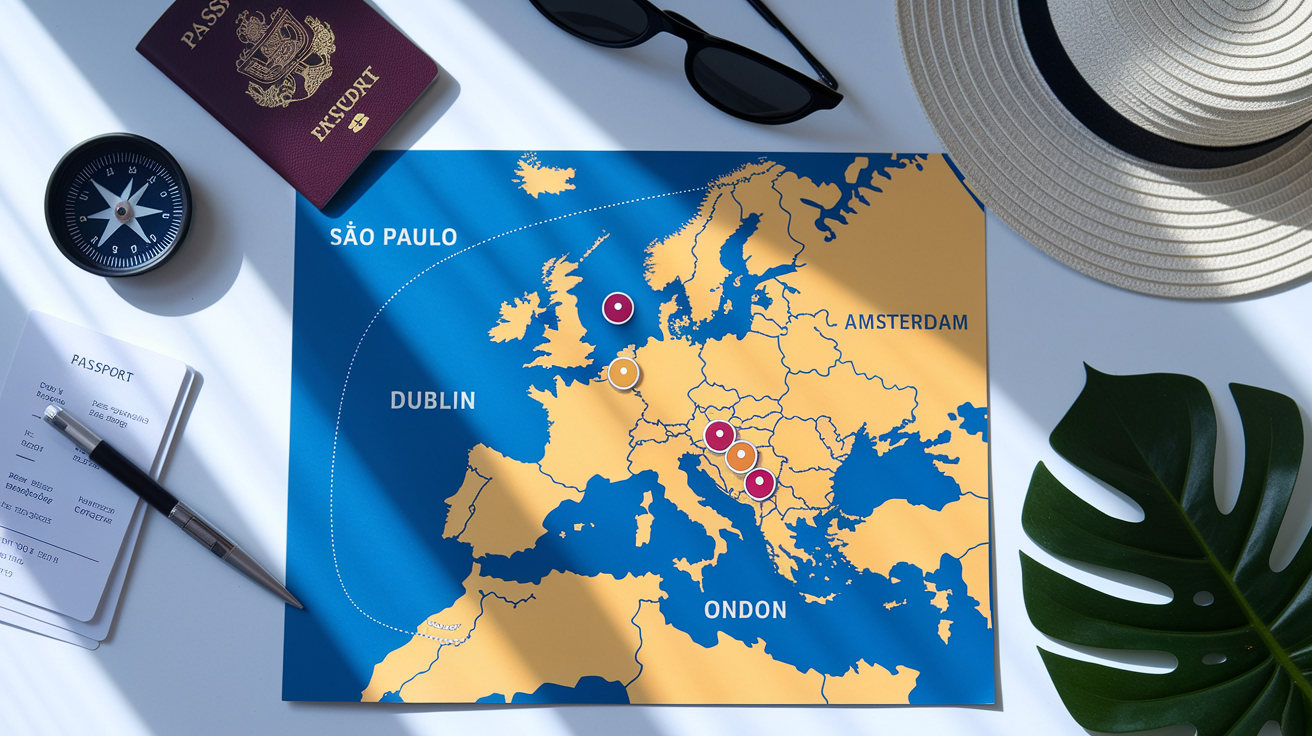
Where your award ticket originates and transits can change the cash fees you pay. Brazil bans fuel surcharges outright, so flights issued from Brazilian airports (even on carriers like British Airways that normally levy heavy YQ) show much lower surcharges. Repositioning to São Paulo for a transatlantic award can save hundreds of dollars, though only if you were already planning that positioning travel or can book it cheaply.
Departing from the United Kingdom triggers Air Passenger Duty, a UK‑specific tax that can add significant cash to long‑haul awards. If you route through a nearby European hub instead (Dublin, Amsterdam, or a German city), you may avoid APD entirely. Many European departure points also carry lower airport fees than London Heathrow. Taxes and fees are often directional, so flying into a high‑tax country and returning from a lower‑tax one can reduce your total outlay.
Ireland and Poland frequently show lower airport taxes than Germany or the UK, making them useful connection points. Check the fee breakdown for the same routing via different hubs. Sometimes a single extra segment saves more cash than it costs in miles.
Key region‑specific tactics to reduce surcharges and taxes:
Brazil origin. Issue the ticket from a Brazilian airport when possible to eliminate YQ on carriers that normally charge it. Requires positioning or being in Brazil already.
Avoid UK departures. Route long‑haul awards via Dublin or a continental European hub to skip Air Passenger Duty.
Check directional taxes. Fly into the UK or Germany and return from Ireland or Poland to minimize one leg of airport fees.
Compare hub airports. Price the same alliance routing through Frankfurt, Amsterdam, and Dublin. Taxes can vary by $50–$150 even for identical distances.
Award Sweet Spots and Real Surcharge Comparisons

Comparing actual cash‑and‑miles totals across programs reveals which redemptions deliver genuine value. A Singapore to Frankfurt award on Lufthansa via a high‑YQ program might cost around S$650 in YQ and YR plus S$255.50 in taxes, for a total cash outlay of S$905.50 on top of the miles. The same or a similar Star Alliance routing booked through Avianca LifeMiles would show roughly S$120 in fees with no YQ component.
For short regional hops, the math shifts. Asia Miles prices a round‑trip Singapore–Hong Kong economy award at 18,000 miles plus S$250 in cash (mostly fuel surcharge), while Singapore Airlines KrisFlyer charges 31,000 miles plus only S$123. KrisFlyer requires 13,000 more miles but cuts the cash bill nearly in half. After Cathay Pacific’s March 2026 surcharge increases, that same Hong Kong route now carries $100 in YQ round‑trip via Asia Miles, up from $36 previously.
Virgin Atlantic’s Delta One sweet spot demonstrates extreme value when YQ’s removed. Delta prices its own business‑class awards at 300,000 SkyMiles or more for many long‑haul routes. Virgin Atlantic prices the same seat at 50,000 miles each way (100,000 round‑trip) with no fuel surcharge, saving 200,000 miles and eliminating any YQ cash component.
| Route | Programme | Miles | Cash Fees | Notes |
|---|---|---|---|---|
| Singapore–Frankfurt (Lufthansa) | High‑YQ programme | Varies | ~S$905.50 | YQ + YR ~S$650; taxes S$255.50 |
| Singapore–Hong Kong (Cathay) | Asia Miles | 18,000 | S$250 | Post‑2026: $100 YQ round‑trip |
| Singapore–Hong Kong (Cathay) | KrisFlyer | 31,000 | S$123 | Higher miles, much lower cash |
| Transatlantic business (Lufthansa) | Avianca LifeMiles | Varies | ~$120 | Avoids ~$1,100 YQ vs Miles & More |
| Long‑haul Delta One | Virgin Atlantic | 50,000 one‑way | Minimal | No YQ; Delta prices same seat 150k+ one‑way |
Points Transfer Strategies to Reduce Fuel Surcharges
Transferable points currencies give you the flexibility to move miles into whichever program offers the lowest total cost for a specific route. American Express Membership Rewards, Chase Ultimate Rewards, Citi ThankYou Rewards, Capital One miles, Bilt Rewards, Wells Fargo Rewards, and Marriott Bonvoy all transfer to multiple airline partners, including several that waive fuel surcharges.
Transfer ratios vary and can change value. Some credit‑card programs transfer 1:1 to most airline partners, while others impose worse ratios. OCBC$ transfers to Singapore KrisFlyer at 2.5 points to 1 mile, but transfers to United MileagePlus at 3.57 to 1, a significantly worse deal. HeyMax Max Miles convert 1:1 to many programs, but the source material suggests holding those points for hotel transfers because hotel points often deliver better per‑unit value.
The key rule: search award availability and verify the cash component before transferring any points. Most transfers are instant or complete within a few hours, but they’re also irreversible. Once you move points to an airline program, you can’t move them back or shift them to a different carrier if award space disappears or fees turn out higher than expected.
Always follow these transfer‑timing rules to avoid costly mistakes:
Search award space first. Confirm the exact flight you want is available as an award before moving any points.
Check the fee breakdown. Use the airline website or ITA Matrix to reveal YQ, taxes, and total cash outlay for that specific award.
Compare at least two programs. Price the same seat through a no‑YQ partner (Aeroplan, LifeMiles, United, Alaska) and the operating carrier’s program.
Transfer only after final verification. Move points immediately before booking, not days or weeks in advance, because award space can vanish.
Tools and Techniques to Identify Fuel Surcharges Before Booking

ITA Matrix is the most reliable free tool for revealing carrier‑imposed surcharges before you commit to a booking. The process is straightforward: enter your origin, destination, and travel dates, then filter results to show only the airline or alliance you want to check. Select an itinerary, and ITA Matrix will display a detailed tax‑and‑fee breakdown. Look for line items labeled YQ or YR. Those are the carrier‑imposed surcharges. A British Airways business‑class segment from New York to London, for example, might show roughly $700 in the YQ line alone.
Some airline websites restrict award pricing unless you already have miles in your account. Lufthansa requires at least 7,000 miles before you can run online award searches, which can make early price checks difficult. In those cases, check award availability on a partner website (United, Aeroplan, or Avianca for Star Alliance) and use ITA Matrix to estimate the cash component for the same routing.
When partner awards aren’t available online, calling the airline’s award‑booking phone line is often the only way to book. Alaska Airlines publishes a dedicated number (800‑252‑7522) for Cathay Pacific and LATAM awards that can’t be ticketed online. Delta uses 800‑323‑2323 for partner awards not shown on the website. Agents can sometimes waive phone‑booking fees if you explain the award was unavailable online.
Step‑by‑step ITA Matrix workflow to detect fuel surcharges:
Go to ITA Matrix and enter your origin, destination, and travel dates. Use the same dates you plan to book with miles.
Apply airline or alliance filters to narrow results to the carrier you want to check (for example, filter to British Airways or Star Alliance only).
Select an itinerary from the results and click through to see the fare rules and tax breakdown.
Scroll to the taxes‑and‑fees section and look for YQ or YR line items. Those are the carrier‑imposed surcharges you’ll pay on an award ticket.
Credit Cards That Offset or Eliminate Award Ticket Surcharges
Certain travel credit cards include perks that can reimburse or offset the cash fees attached to award tickets. The British Airways Visa Signature Card offers up to $600 per year in statement credits for British Airways award taxes and fees. The structure is $100 credit for economy awards or $200 credit for business‑ and first‑class awards, applied up to three times per calendar year (3 × $200 = $600 maximum). This doesn’t eliminate BA’s high fuel surcharges, but it can reduce your net out‑of‑pocket cost significantly if you book multiple BA awards annually.
Chase Sapphire Reserve provides a $300 annual travel credit that applies automatically to any travel purchase, including award ticket taxes and fees. If you redeem miles for a flight and pay $250 in taxes, that charge counts toward the $300 credit, effectively reimbursing you. Capital One Venture Rewards Credit Card and Capital One Venture X Rewards Credit Card allow you to redeem Capital One miles as statement credits against any travel charge on your card, which includes the cash portion of award tickets.
These benefits work best when surcharges are unavoidable (for example, when the only award space is on a high‑YQ carrier or when you want to use a specific program for routing flexibility). The credits don’t increase in value if surcharges are higher, so the core strategy remains choosing low‑YQ programs and partners first, then using card perks to offset the residual taxes and smaller fees.
Three primary card benefits for offsetting award surcharges:
British Airways Visa Signature. Up to $600/year in BA award fee credits ($100 economy, $200 premium, max three uses annually).
Chase Sapphire Reserve. $300 annual travel credit applies to award taxes and fees automatically.
Capital One Venture cards. Redeem miles as statement credits for any travel charge, including cash components of awards.
Final Words
Start by spotting YQ before you transfer points or lock a ticket: use ITA Matrix, check partner award options, and compare the cash-plus-miles total.
Pick surcharge-free programs, route from low-tax countries, or book the same flight through a partner. Use card travel credits and time transfers only after you confirm low fees.
If you want to avoid fuel surcharges on award tickets, make verification a habit: search first, then move points. You’ll spend less cash and still get the trip you planned.
FAQ
Q: How to avoid fuel surcharge?
A: To avoid fuel surcharges, book awards through programmes that waive YQ, use partner‑issued tickets, pick routes or ticketing countries with low YQ, and check YQ amounts on tools like ITA Matrix before transferring points.
Q: Can airlines add a fuel surcharge after you have booked?
A: Airlines can add fuel surcharges after you have booked only in limited cases; once a ticket is issued the YQ usually won’t change, but always check your fare rules and contact the carrier if pricing differs.
Q: Which airlines don’t charge fuel surcharge?
A: Airlines that don’t charge fuel surcharge include several loyalty programmes and low‑cost carriers; examples are JetBlue TrueBlue, Southwest Rapid Rewards, Spirit Free Spirit, Air Canada Aeroplan, Avianca LifeMiles, and United MileagePlus.
Q: How to avoid carrier imposed fees?
A: To avoid carrier imposed fees, choose fares with included bags/seats, use co‑branded cards or elite status for free perks, pack carry‑ons only, compare total out‑of‑pocket cost before booking, and check fee waivers.