
Think a Basic Economy ticket is a steal? Many travelers end up paying $35–$65 at the gate for a carry-on.
This post breaks down the real difference: personal item under the seat versus full-size carry-on in the overhead bin, how airlines enforce the rules, and the hidden fees that add up.
You’ll get clear examples from American, United, Delta, JetBlue, Alaska, and Southwest.
By the end you’ll know when Basic Economy truly saves you money, when Standard fares are worth the extra cost, and a simple rule to pick the right ticket.
Key Differences in Basic Economy Carry‑On Rules vs Standard Fares
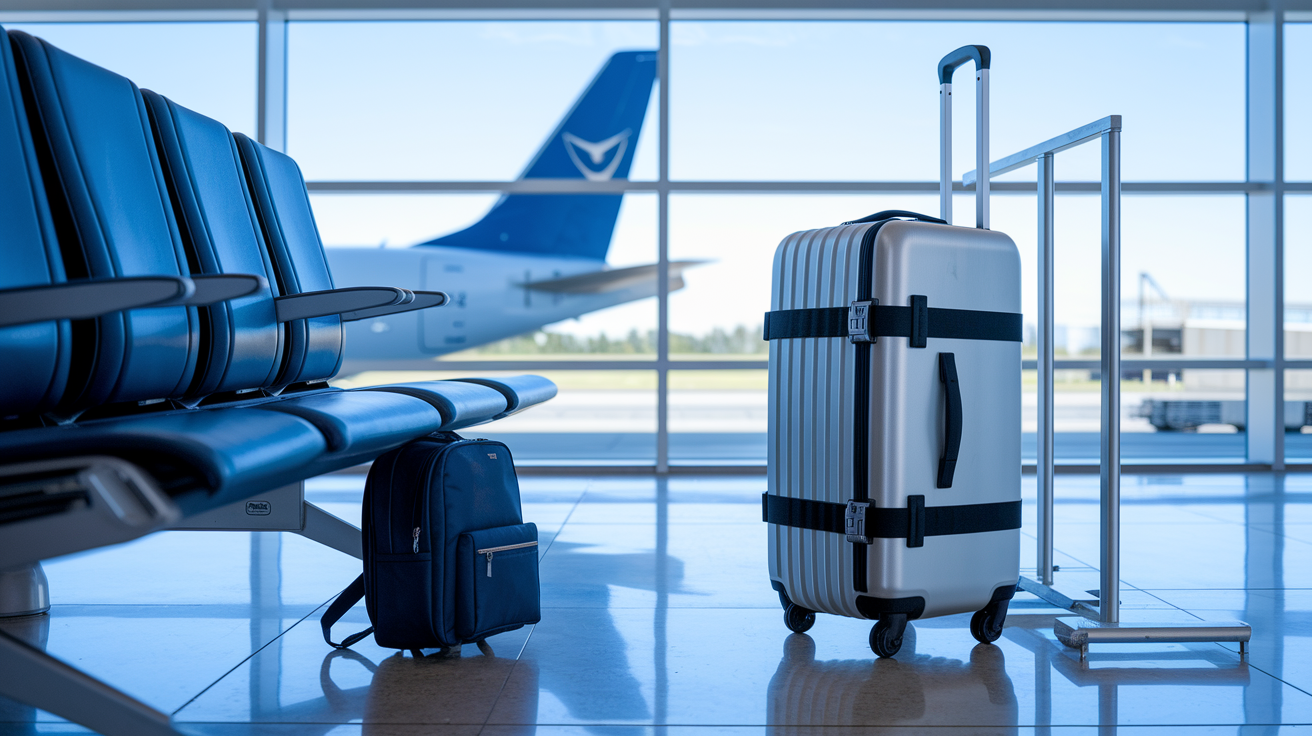
The biggest split between Basic Economy and Standard fares comes down to carry-on access. Most domestic U.S. routes with Basic Economy give you one personal item that has to fit under the seat. We’re talking 9 x 10 x 17 inches max. Standard fares let you bring that same personal item plus a full-size carry-on (up to 9 x 14 x 22 inches) for the overhead bin. Show up with a roller bag on a Basic Economy ticket without an exception? You’re looking at $35 to $65 in fees, sometimes with an extra $25 handling charge tacked on.
Enforcement isn’t uniform. American and United completely shut down overhead bin access for Basic Economy passengers on domestic flights. You check the bag or pay. Delta technically allows overhead access for Basic Economy, but you board dead last, so there’s usually no space anyway. International routes sometimes flip the script: United’s Basic Economy on transatlantic, transpacific, and South American flights includes a full carry-on. Domestic flights don’t.
| Airline | Basic Economy Allowance | Standard Economy Allowance | Notes/Enforcement |
|---|---|---|---|
| American | 1 personal item only | 1 personal item + 1 carry-on | No overhead access; gate fee if bag doesn’t fit under seat |
| United | 1 personal item only (domestic); 1 personal item + carry-on (eligible international) | 1 personal item + 1 carry-on | $35–$65 fee + $25 handling if unauthorized carry-on at gate; may preauthorize $65 at check-in |
| Delta | 1 personal item + 1 carry-on (but boards last) | 1 personal item + 1 carry-on | Overhead access allowed but limited due to last boarding; may gate-check at no charge when full |
| JetBlue | 1 personal item + 1 carry-on | 1 personal item + 1 carry-on | Basic Economy branded as “Blue Basic”; carry-on included but boards last |
| Alaska | 1 personal item + 1 carry-on | 1 personal item + 1 carry-on | Saver fares include carry-on; main difference is seat selection and change fees |
| Southwest | No Basic Economy fare | 1 personal item + 1 carry-on + 2 free checked bags | All fares include carry-on and checked bags; boarding position based on check-in time |
This matters when you’re traveling with more than a backpack or purse. Need a roller bag, full-size toiletries, or gear for a multi-day trip? Basic Economy on American or United domestic routes will cost you at the gate. Standard fares build that overhead space into the base price, and you board earlier when bins are still empty.
Understanding Personal Item Limits in Basic Economy vs Standard Fares
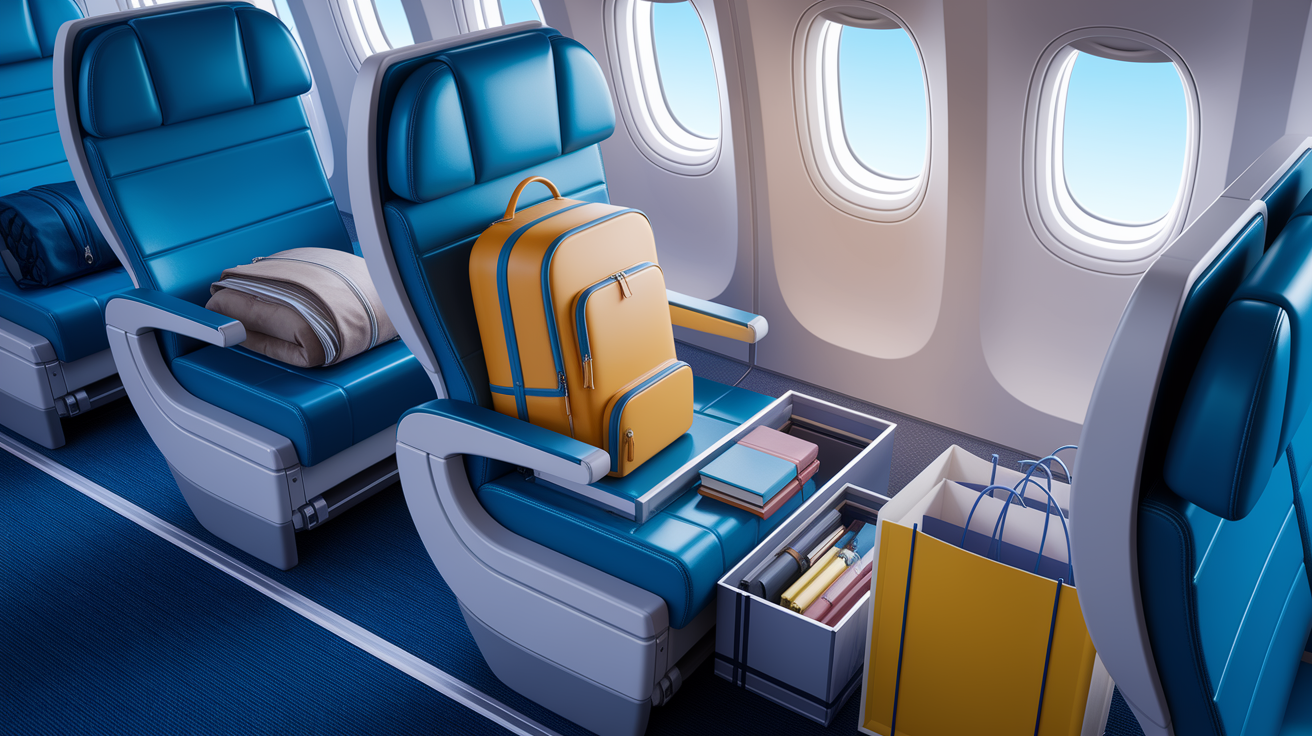
A personal item is a small bag that fits completely under the seat in front of you. Airlines cap it at 9 x 10 x 17 inches. Think backpack, tote, purse, laptop bag. Both Basic Economy and Standard fares give you one personal item free. There’s no published weight limit. Enforcement comes down to whether the bag fits in the sizing device at the gate or under the seat once you’re on board.
What doesn’t count toward your personal item allowance is where you can get creative. Airlines exclude certain items so you can carry them in addition to your bag without fees:
- Umbrellas (collapsible or full-size, carried separately)
- Jackets and coats (worn or carried over your arm)
- Duty-free purchases (sealed bags from airport shops bought after security)
- Reading materials (newspapers, magazines, books carried in hand)
- Assistive devices (wheelchairs, canes, walkers, CPAP machines, other medical equipment)
Flying Basic Economy and want to max out what you can bring for free? Use a slim backpack for your main items and carry your jacket, an umbrella, and a duty-free bag separately. You stay within the rules but still bring what you need for a short trip.
Airline‑Specific Carry‑On Rules: How Enforcement and Quirks Differ by Carrier

American + United
American and United enforce the “no overhead bin” rule for domestic Basic Economy harder than anyone else. Gate agents actively use sizing bins to measure bags. If your personal item looks too big or you try to sneak a roller bag, they’ll pull you aside and charge you. United sometimes drops a $65 preauthorization hold when you check in online. It’s a warning that if you show up with an unauthorized carry-on, the charge goes through automatically. On United Express regional flights, even passengers with Standard fares or exceptions often must gate-check their carry-ons because overhead bins on smaller aircraft can’t handle full-size bags.
Delta
Delta’s Basic Economy technically allows overhead bin access. Sounds generous until you realize you board dead last. By the time Group 9 is called, most bins are full and flight attendants are frantically gate-checking bags. Delta won’t charge you the gate fee in that situation. They’ll check the bag for free. But you still lose access to your stuff during the flight and risk delays at baggage claim. The boarding-order penalty makes Delta’s “allowed” carry-on less useful in practice than it looks on paper.
JetBlue + Alaska
JetBlue’s “Blue Basic” fare and Alaska’s “Saver” fare both include a full carry-on, so the baggage difference between their cheapest and mid-tier fares is minimal. Trade-offs show up in seat selection (assigned automatically on Basic, choosable in advance on Standard) and change fees. Alaska enforces size limits but rarely weighs bags. JetBlue’s Mint cabin and Even More Space seats aren’t available on Blue Basic, but overhead access is the same across all economy cabins as long as your bag fits.
Southwest
Southwest doesn’t sell a Basic Economy fare. Every Southwest ticket includes one personal item, one carry-on, and two free checked bags. The only variable is boarding position, determined by check-in time or paid Early Bird/upgraded boarding. If you’re comparing total trip cost and need to check a bag, Southwest often beats the other carriers even when their base fare looks higher.
Enforcement gets unpredictable in a few spots:
- United Express: Small aircraft force gate-checks even for compliant bags. Bin size is the limiting factor, not fare rules.
- American at hubs: ORD, DFW, CLT gate agents measure bags more aggressively during peak hours.
- Delta on full flights: Last boarding makes overhead access random. Compliance doesn’t guarantee space.
- Regional partners: SkyWest, Republic, Envoy all have smaller bins. Assume you’ll gate-check on any 50-seat jet.
Fees, Penalties, and Gate Enforcement for Basic Economy Carry‑Ons

Show up at the gate with a full-size carry-on and a Basic Economy ticket that doesn’t allow it? The gate agent will stop you before you board. On American and United, you’ll pay the airline’s standard checked-bag fee, typically $35 for the first bag on domestic flights, sometimes $65 depending on route and timing. United adds a $25 gate-handling fee on top of that in some cases, bringing the total to $60 or $90. Delta usually gate-checks the bag for free when bins are full, but if you’re caught trying to bypass the rule on a half-empty flight, the standard checked-bag fee applies.
United’s online check-in system may flag your reservation and place a $65 preauthorization hold if it detects you have a Basic Economy fare and no exception. That hold doesn’t charge your card unless you actually bring an unauthorized bag to the gate, but it’s meant to discourage you from trying. The hold drops after your flight if you comply.
Gate agents use sizing bins and visual checks to enforce the policy. If your bag looks borderline, they’ll ask you to place it in the metal frame near the gate podium. Bags that don’t fit get checked, and the fee is added to your reservation on the spot. Here’s how enforcement usually plays out:
- Domestic peak travel: Gate agents measure bags more frequently. Sizing bins are out and actively used.
- International flights: Rules vary by route. Transatlantic/transpacific United Basic Economy often includes carry-on, so enforcement is lighter.
- Regional aircraft: Even compliant bags may be gate-checked due to small overhead bins. No fee if your fare allows carry-on.
- Elite status or cardholder: Gate agent scans boarding pass, sees exception, and waves you through without checking bag size.
- Late boarding: If you board in the last group and bins are full, bag gets checked regardless of fare. Delta typically waives the fee in that scenario.
The financial risk is real. Buy a $150 Basic Economy ticket and pay $60 at the gate for a carry-on? You’ve spent $210, often more than a Standard Economy fare that included the carry-on from the start.
Exceptions That Allow a Standard Carry‑On While Holding a Basic Economy Ticket
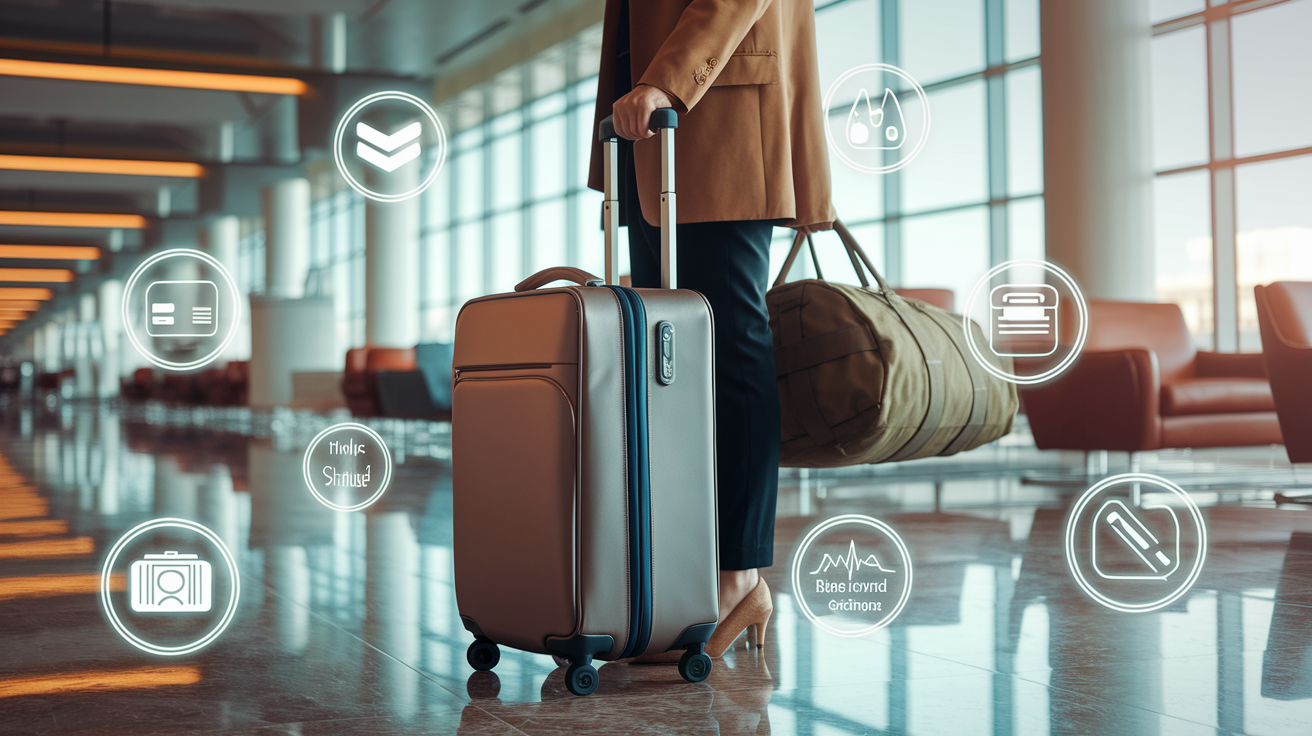
A handful of traveler categories can bring a full carry-on even on a Basic Economy ticket that normally wouldn’t allow it. Elite status is the most common exception. Hold Star Alliance Gold status or any tier of United MileagePlus Premier (Silver, Gold, Platinum, 1K), American AAdvantage (Gold, Platinum, Platinum Pro, Executive Platinum), or Delta Medallion? You get overhead bin access. The airline’s system automatically recognizes your status when you check in, and your boarding pass will reflect the carry-on allowance.
Cobranded credit cardholders also get the exception as long as the card is linked to your frequent-flyer account and the account number is in your reservation. United waives Basic Economy carry-on restrictions for holders of the United Explorer, United Business, United Quest, and United Club cards. American offers similar benefits with its AAdvantage cards. Delta does the same for Delta SkyMiles cardholders. If the card isn’t linked before you check in, you won’t get the benefit. Make sure your MileagePlus or AAdvantage number is in the reservation at booking.
Main exception categories:
- Frequent-flyer elite status: All major U.S. carriers waive carry-on restrictions for their own elite members and partner-airline elites.
- Cobranded credit cards: United Explorer, United Club, AAdvantage, Delta SkyMiles cards grant carry-on access when linked to reservation.
- International routes: United Basic Economy on transatlantic, transpacific, and most South American routes includes a standard carry-on.
- Traveling with an infant: Adults with a lap infant can bring a diaper bag, breast pump, and car seat/child restraint in addition to the personal item.
- Active military: U.S. military personnel in uniform often receive carry-on and checked-bag fee waivers across all fare types.
- Assistive devices: Wheelchairs, canes, CPAP machines, and other medical equipment never count toward bag allowances on any fare.
If you qualify for an exception, your boarding pass will show a carry-on icon or note, and gate agents won’t challenge your bag. If the system doesn’t recognize your status or card benefit, ask the agent to manually verify before boarding starts.
Boarding Order, Overhead Bin Access, and Why Standard Fares Often Win
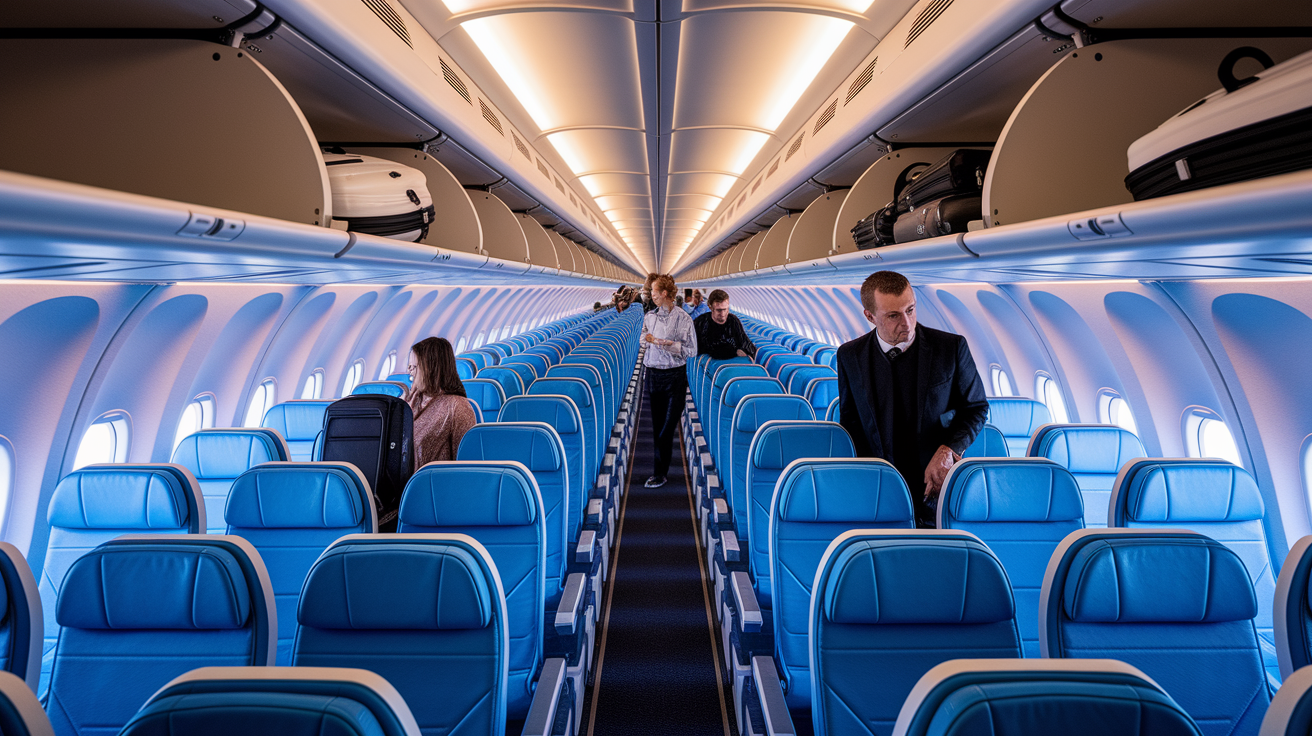
Basic Economy passengers board in the last group on every major U.S. carrier. On United, that’s usually Group 5. On American, it’s Group 9. Delta boards Basic Economy last as well, often after all other economy passengers and sometimes after premium cabin overflow. By the time you walk down the jetway, overhead bins near your seat are often full, and flight attendants are already gate-checking bags at the aircraft door.
Standard Economy passengers board earlier, typically Group 3 or 4 on United, Group 6 or 7 on American. That gives them first access to overhead space near their seats. If you value keeping your bag with you during the flight, avoiding baggage claim, and having easy access to your belongings, the earlier boarding group is a tangible benefit. Even on Delta, where Basic Economy technically allows carry-ons, boarding last means you’re competing for whatever bin space is left after everyone else has stowed their bags.
A few specific advantages of earlier boarding with Standard fares:
- Overhead space near your seat: You can stow your bag directly above or in front of you, not six rows back.
- No forced gate-check: Bins fill quickly on full flights. Early boarding avoids that risk.
- Faster deplaning: Your bag is where you left it, so you can grab it and go as soon as the seatbelt sign turns off.
The boarding-group gap is one reason Standard fares often deliver better value even when the base fare difference is small. A $30 fare premium buys you predictable overhead access, which can be worth more than the dollar amount if you’re on a tight connection or traveling for work.
Domestic vs International Differences in Basic Economy Carry‑On Rules

Domestic Basic Economy on American and United means one personal item only. No overhead bin access. But if your itinerary includes a transatlantic, transpacific, or South American segment, United’s Basic Economy fare suddenly includes a full carry-on. The shift happens at the route level, not the ticket level, so a single reservation that mixes domestic and international segments can have different baggage rules on each flight. Connecting in Newark to fly to London? Your domestic leg to Newark follows the personal-item-only rule, but your Newark to London segment includes carry-on access.
Regional aircraft complicate things further. United Express flights, operated by SkyWest, Republic, and other regional partners, use smaller planes with limited overhead bins. Even if your fare technically allows a carry-on, gate agents often require everyone to check bags at the jetway because the bins can’t handle standard roller bags. You’ll get your bag back at the aircraft door when you land (called a “planeside check”), but during the flight you won’t have access to it. There’s no fee for this on Standard fares or when you hold an exception, but it’s an operational reality that overrides the written policy.
| Route Type | Key Rule Interaction | Risk Factors | Important Notes |
|---|---|---|---|
| Domestic‑only itinerary | Basic Economy = personal item only; Standard = personal + carry-on | Gate fees if you bring unauthorized carry-on; regional aircraft may force planeside check | Strictest enforcement; measure your bag before leaving home |
| Domestic connecting to international | First leg follows domestic rules; international leg may include carry-on | Confusion at first gate; inconsistent messaging across segments | Check fare rules for each segment; carry-on allowance can change mid-trip |
| International round-trip | United transatlantic/transpacific Basic Economy includes carry-on both ways | Regional feed to international gateway may still require planeside check due to bin size | Exception doesn’t apply to all international routes; verify by destination |
| Mixed-carrier codeshare | Operating carrier’s rules apply, not the ticket number’s marketing carrier | United Basic Economy marketed flight on Lufthansa metal may follow Lufthansa baggage rules | Always check operating carrier and aircraft type before assuming allowance |
On multi-carrier itineraries, like a United ticket that includes a Lufthansa-operated segment, the operating airline’s baggage rules apply for that leg. If Lufthansa’s Basic Economy equivalent includes a carry-on and United’s doesn’t, you may have different allowances on different flights within the same reservation. Safest approach? Check the fare rules for every segment and plan for the most restrictive allowance across the whole trip.
Cost Analysis: When Paying for a Standard Fare Saves Money
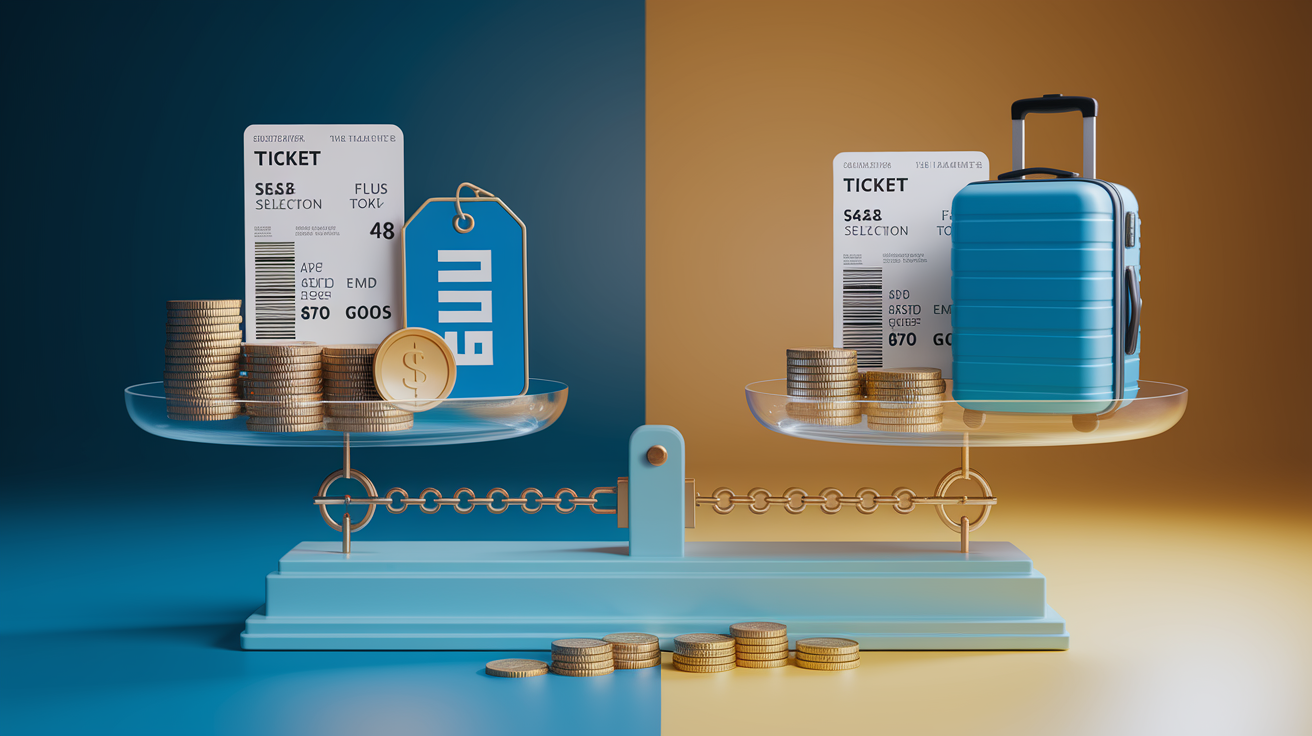
Basic Economy’s lower base fare looks attractive until you add up the extra costs. Need a carry-on and don’t have an exception? You’ll pay $35 to $65 at the gate, plus a $25 handling fee in some cases. Want to pick your seat in advance, especially important for families or groups? That’s another $10 to $40 per person depending on the route and seat location. Suddenly the “cheap” ticket costs more than a Standard fare that included all of that from the start.
Standard fares bundle carry-on access, advance seat selection, and earlier boarding into the base price. On a typical domestic route, the fare difference might be $40 to $60. Traveling solo with just a personal item and don’t care where you sit? Basic Economy saves money. But if you’re a couple who wants to sit together, or a business traveler with a roller bag and laptop, the Standard fare often delivers better value.
| Cost Category | Basic Economy | Standard Fare | Notes |
|---|---|---|---|
| Base Fare Only | $150 | $200 | Example short-haul domestic route; actual fares vary by market and date |
| Fare + Carry-On Fees | $150 + $60 gate fee = $210 | $200 (included) | Gate fee assumes $35 checked bag + $25 handling; Standard includes overhead access |
| Fare + Seat + Carry-On Fees | $150 + $60 + $30 seat selection = $240 | $200 (included) | Seat selection charged separately on Basic Economy; free on Standard for most seats |
When Standard fares usually save money or headaches:
- You need a roller bag: If you’re checking luggage or bringing a carry-on, the gate fee alone often closes the fare gap.
- You’re traveling as a group: Families or couples who want adjacent seats pay per-person for seat selection on Basic Economy. Standard includes it.
- Your plans might change: Standard fares allow ticket changes (often with a fare difference but no change fee). Basic Economy tickets are locked in with no flexibility.
The total-trip-cost comparison matters more than the headline fare. If the Standard fare is $40 more but saves you $60 in gate fees and seat charges, it’s the better deal.
Tips to Avoid Fees and Make the Most of Carry‑On Rules

Simplest way to stay within Basic Economy carry-on rules? Use a bag that fits the 9 x 10 x 17 inch personal-item limit. A slim backpack or soft-sided tote works well. Measure it at home before you pack. Airlines don’t enforce weight limits for personal items or carry-ons, so focus on dimensions. If your bag is slightly over but compresses, test whether it fits under your dining chair at home. That’s roughly the same clearance as an airline seat.
United sometimes places a $65 preauthorization hold when you check in online if you have a Basic Economy fare with no exception. The hold reminds you that bringing an unauthorized carry-on will trigger a fee. To avoid the surprise, link your MileagePlus number or eligible credit card to your reservation before check-in, or accept that you’ll need to travel with just a personal item. Flying an international route that includes carry-on access? The hold won’t appear because the system recognizes the exception.
Pack strategically using items that don’t count toward your allowance:
- Wear your bulkiest items: Put on your jacket, heavy shoes, and hat before you board to save bag space.
- Carry duty-free separately: Buy snacks, gifts, or liquids after security and carry the sealed bag in addition to your personal item.
- Use your pockets: Phone, wallet, passport, boarding pass, and headphones can all go in pockets instead of your bag.
- Bring an umbrella or reading material: These don’t count, so carry them in hand to free up room in your main bag.
- Collapse or compress soft bags: If your backpack is slightly oversized when full, remove non-essentials and cinch the straps tight before the gate agent measures it.
- Arrive early: Extra time at the gate lets you ask questions, reorganize if needed, and avoid last-minute scrambling when the agent flags your bag.
Unsure whether your bag will pass? Test it in the sizing bin at the airport before you get to the gate. Most airlines have a metal frame near check-in counters where you can verify dimensions without pressure. If it doesn’t fit, you can decide whether to pay for a checked bag at the counter (sometimes cheaper than gate fees) or reorganize and leave items behind.
Final Words
Pick the fare that matches the bag you’re bringing and how much gate drama you’ll tolerate.
We ran the essentials: allowance sizes, personal-item limits, airline quirks and enforcement, gate fees, international exceptions, boarding order, cost math, and packing tips to avoid surprises.
When you weigh the real costs, basic economy carry on rules vs standard fares is a practical question: save a little up front or pay for bin space and fewer headaches. Pack smart, pick the simpler option for your trip, and enjoy smoother travel.
FAQ
Q: Does a Basic Economy ticket really not include a carry-on luggage?
A: A Basic Economy ticket usually does not include a full carry-on; it generally only includes a personal item that fits under the seat. Some airlines or international routes may still allow a full carry-on—check your carrier.
Q: What are the new rules for carry-on luggage in 2026?
A: The new rules for carry-on luggage in 2026 vary by airline; broadly they favor stricter size checks, tougher gate enforcement, and more fees—confirm your airline’s 2026 baggage policy before booking.
Q: What toiletries are not allowed on a plane?
A: Toiletries not allowed in carry-on include liquids over 3.4 oz (100 ml), gels, large aerosols, flammable products, and sharp or hazardous toiletry items; pack those in checked luggage.
Q: Is there a difference between economy basic and economy standard?
A: The difference between economy basic and economy standard is Basic limits you to a personal item, assigns seats, forbids changes, and boards last; Standard includes a full carry-on, seat choice, and earlier boarding.