

Think buying two tickets for the same train journey is cheating?
It isn’t — and on many long or peak-time trips it can save you a lot.
Split ticketing means buying separate fares for segments of one continuous ride, and it works when operators price legs cheaper than the through ticket.
This post explains when split ticketing actually cuts costs, how to pick the right split stations, and the simple booking checks to keep your journey valid so you don’t waste time or money.
Clear Overview of Split Ticketing and When It Saves Money

Split ticketing means you’re buying two or more separate tickets that cover one continuous trip, instead of one through ticket. Let’s say you’re going Manchester to Edinburgh. You’d buy Manchester to Newcastle and Newcastle to Edinburgh as individual tickets, not one Manchester-to-Edinburgh fare. The rule that matters: your train must actually stop at the station where your tickets switch. You don’t get off. You don’t change seats. But the service has to call at that station or your tickets aren’t valid.
The savings work like this: sometimes adding up individual segment fares costs less than the through fare. On 29 February 2024, a Manchester to Edinburgh split via Newcastle saved money compared to the direct fare. London Marylebone to Bicester Village (posted 17 May 2021) cost £28.80 as a through off-peak return. Split it via Haddenham & Thame Parkway and the total dropped to £26.00 (MYB to HDM day return £19.50, HDM to BIT single £6.50). That’s £2.80 back. Bigger gaps show up elsewhere. London to Manchester quoted at £80 through versus £50 split via Birmingham.
Split ticketing saves you money when rail operators price individual legs cheaper than the bundled journey. Different operators, time bands, and routing rules create price gaps you can use by booking segments instead of one ticket.
How Split Ticketing Works Behind the Scenes (Pricing Mechanism and Fare Structure)

UK rail fares are built from overlapping operator zones, time-of-day bands (peak, off-peak, super off-peak), and routing labels that lock you into which physical path you take. A through ticket often carries a premium because it covers multiple fare zones or operators under one price. Buying separate tickets for each segment lets you grab the lowest fare for each leg independently. Peak fares cost more than off-peak. Operator boundaries can create artificial price steps. Crossing from one operator’s territory into another mid-journey might trigger a cheaper combined fare than the bundled cross-operator through ticket.
Routing restrictions and stopping patterns shape where you can split. Many tickets display a route label like “Route High Wycombe,” which means you travel via that line. You can’t use alternative routes. Not every train stops at every possible split station. On the MYB to BIT route, only about half the services call at Haddenham & Thame Parkway. Choose that split point and you limit which trains you can board. You need to verify your split station sits on the physical route of your train and that the service actually stops there, or your tickets become invalid.
| Factor | Effect on Splitting |
|---|---|
| Operator fare zones | Different operators price the same distance differently. Splitting at zone boundaries can unlock lower segment fares. |
| Peak vs off-peak time bands | Peak through fares often carry higher premiums. Off-peak splits may combine cheaper segment fares than a peak through ticket. |
| Routing labels and stopping patterns | Tickets restrict permitted routes and require the train to stop at split stations. Choosing splits on rarely served stations limits train choices. |
Real Examples of Split Ticketing Savings on Popular Routes
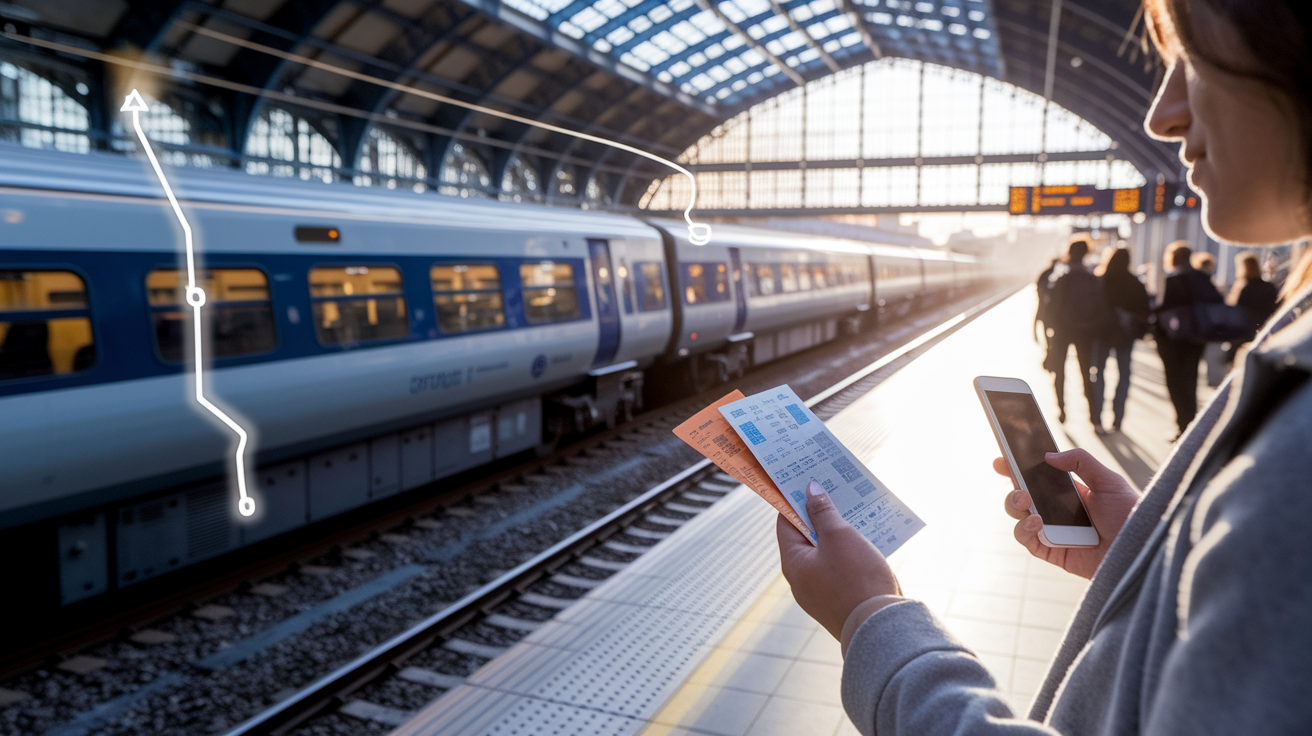
Manchester to Edinburgh direct tickets can get expensive, especially peak hours. Split the trip at Newcastle (buying Manchester to Newcastle and Newcastle to Edinburgh separately) and you’ve saved money compared to the through fare. Same physical train. The train stops at Newcastle, so you satisfy the validity rule without changing trains or platforms. Just hold both tickets ready for inspection.
London Marylebone to Bicester Village (station code BIT) shows how modest splits still deliver. The through off-peak return cost £28.80. Split at Haddenham & Thame Parkway (HDM) and the total hit £26.00: a £19.50 MYB-HDM day return plus a £6.50 HDM-BIT single. Departing before 09:30 and facing the £48.80 anytime day return? The split option saved £22.80. The catch: only about half the services stop at HDM, so you choose a train that calls there.
London to Manchester quoted at £80 through versus £50 split via Birmingham shows the bigger wins on long intercity routes. Birmingham sits at a natural operator and fare-zone boundary, making it a common split point where segment fares often undercut the bundled price. Board in London, the train stops at Birmingham New Street, continue to Manchester on the same service. Present both tickets if asked.
Common markers of a good split opportunity:
- Major intermediate hubs like Birmingham, Leeds, Crewe, or Newcastle that sit on your route and get served by most trains.
- Fare-step boundaries where operator zones or time-band pricing changes, creating a price gap between through and segment fares.
- Routes where the through fare gets priced as peak but individual legs can be purchased as off-peak during permitted hours.
- Long-distance trips spanning multiple operators or fare regions, where bundled pricing often adds a premium over the sum of individual legs.
Quick Checklist: When Split Ticketing Is Worth Trying
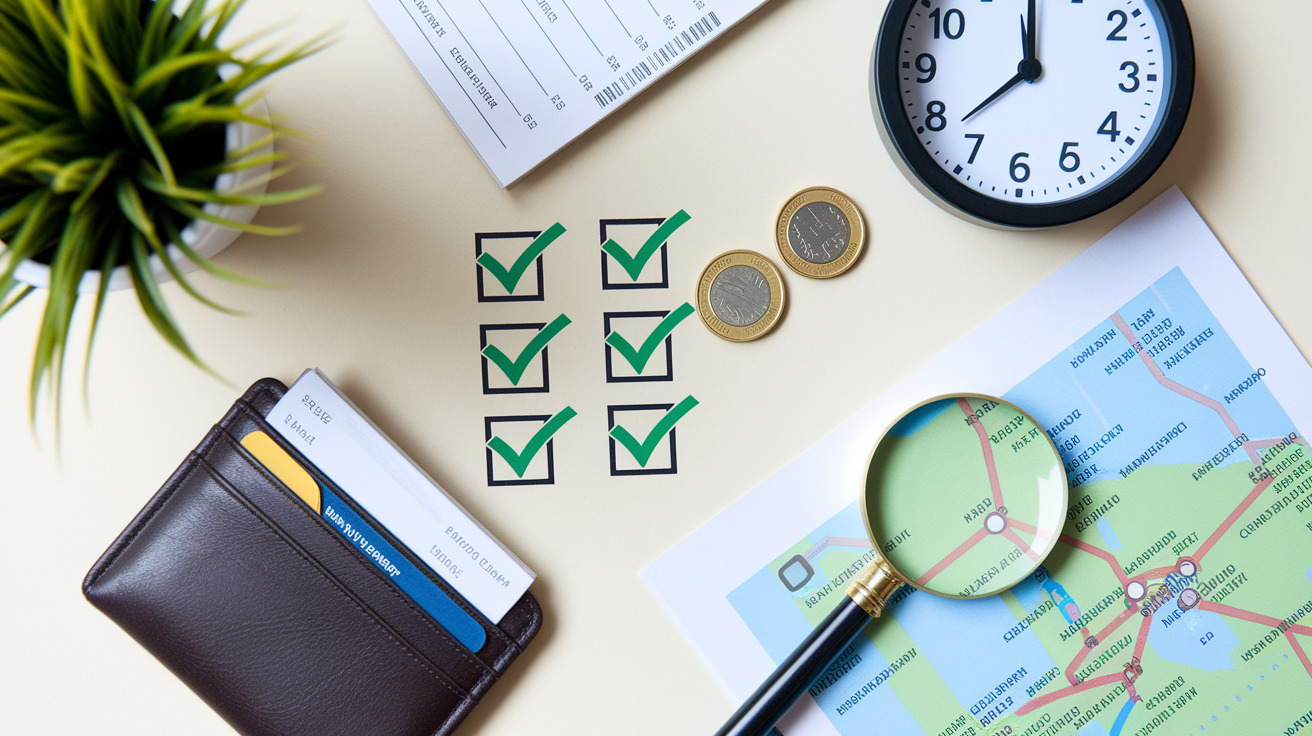
Split ticketing delivers the biggest wins on longer intercity routes during peak hours or when advance fares for the through journey are sold out or expensive. It works best when your route passes through a major station that most services call at, and when you’ve got flexibility to choose trains that stop at your split point. Short trips with flat fare bands or routes where a cheap advance single is already available rarely benefit from splitting. The admin hassle and any booking fees can erase small savings.
Timing and planning matter more than the route itself. Traveling at a popular time when through fares are inflated? Splitting can bypass that premium by accessing cheaper segment fares. But if a promotional or advance fare already offers the lowest price for the through journey, splitting usually won’t improve it. Check whether the trains you want actually stop at the split station. Some express services skip intermediate stops, making those splits invalid for your journey.
Situations where split ticketing is likely worthwhile:
- Long intercity routes with clear midpoint hubs (London to Manchester, Edinburgh to London, Bristol to Newcastle).
- Peak-hour travel when through fares carry a big time-of-day premium but segments can be bought at lower rates.
- Trips crossing operator boundaries where bundled cross-operator fares are higher than separate single-operator legs.
- Routes where advance through tickets are sold out but individual segment advance fares remain available.
- Routes with multiple possible split points, giving you flexibility to test several combinations and find the cheapest total.
- Travel dates booked weeks ahead, so you’ve got time to compare and purchase the best-split combination before prices rise.
Step-by-Step Guide to Booking Split Tickets Properly

Booking split tickets correctly means verifying train times, stopping patterns, and ticket validity at each stage. It’s more involved than buying a single through ticket, but the savings can justify the extra steps.
Follow this sequence:
- Search your end-to-end journey (origin to final destination) and note the single through-ticket price for your preferred date and time.
- Use an online split-ticket tool or manually test logical intermediate stations to find cheaper leg combinations. Compare the total cost of all segments against the through fare.
- Confirm the train you’re boarding stops at every station named on your split tickets. Check the timetable for your specific service, not just the route in general.
- Purchase all segment tickets for the same travel date and overlapping time windows. Make sure each ticket shows the correct origin, destination, and any routing restrictions.
- Book seat reservations if required by any leg’s fare type (some advance fares require reservations). Note that reservations might need to be booked separately per segment.
- Carry all tickets (digital e-tickets or printed) and reservation confirmations together. Be ready to show each ticket if a conductor checks.
- If you face delays or disruptions, understand that split tickets may not be automatically protected for rebooking or compensation like a single through ticket would be. Check each operator’s delay policies.
Reliability comes from double-checking every detail before you buy. Make sure each segment ticket covers a portion of your journey that the train physically travels, that the train stops at the split stations, and that you’re not forced to make a physical connection you can’t complete. Keep digital copies of all tickets and confirmations in one place. Review the validity rules for each fare type so you know what happens if your plans change.
Tools and Apps That Find Split Fares Automatically

Manual split-ticket searching takes forever, so several platforms automate it. TrainSplit and SplitMyFare are two of the most commonly mentioned tools (as of June 2024). They scan large fare databases and test hundreds of possible split points along your route, then return combinations where the sum of individual legs costs less than the through fare. These algorithms check valid routings, make sure stopping patterns align, and filter out combinations that would require impossible connections or violate fare rules.
Using these tools is simple: enter your origin, destination, date, and preferred time. The platform returns both the standard through fare and the best split-ticket options it finds. Some charge a small booking fee per transaction, which can reduce your net savings, so factor that into your comparison. The tools handle much of the complexity (verifying that trains stop at split stations, making sure tickets are valid, and often offering mobile e-tickets that go straight to your phone). But you should still review the proposed journey to confirm it matches your travel needs and that you’re comfortable with any connections or timing.
When comparing split-ticket platforms, check:
- Booking fees and how they affect your total savings.
- Accuracy of stopping-pattern checks. Does the tool confirm your train actually calls at the split station?
- Whether the platform books all segments in one transaction or requires separate purchases.
- Support for mobile tickets and e-tickets to avoid station collection queues.
Validity Rules, Conductors, and Ticket Inspection When Using Separate Tickets

The rule for split-ticket validity: the train you board must physically stop at the station where your tickets change. You don’t leave the train. You don’t change platforms. You don’t do anything theatrical. Just make sure the service calls at that station. If the train bypasses the split station or you choose a split point not on your train’s route, your tickets become invalid. Conductors can require you to pay the full fare again on the spot.
When a conductor inspects your tickets, present all segments that cover the portion of the journey you’re on. Traveling Manchester to Edinburgh via a Newcastle split? Show both the Manchester to Newcastle and Newcastle to Edinburgh tickets. Conductors are familiar with split ticketing and will check that the tickets are valid for the train, the date, and the route. Cross-operator trips add complexity because each operator’s conductor may only check the segment covering their service, but you still need valid tickets for the entire trip. Routing labels on your tickets (like “Route High Wycombe”) restrict which physical path you can take. Deviate from that route, even with otherwise valid tickets, and you may breach fare conditions.
Essential legality checks before you travel:
- Confirm the train stops at every split station named on your tickets by checking the specific service timetable.
- Verify that your tickets’ routing labels match the physical route your train takes.
- Make sure each ticket’s date and time validity covers the segment of the journey it’s intended for.
- Keep all tickets accessible and ready to show together. Conductors may not accept partial ticket presentation.
Drawbacks, Risks, and Situations Where Split Ticketing Doesn’t Work Well

Split ticketing adds admin complexity and can create problems during disruptions. Miss a connection or your train gets delayed? Having separate tickets instead of a single through ticket might mean you lose automatic rebooking or compensation protections. Operators typically honor through tickets with guaranteed connections, but split tickets are often treated as independent purchases. A delay on your first leg might not entitle you to travel on a later service using your second ticket without paying again. Small booking fees on third-party split-ticket platforms can eat into modest savings, turning a £3 saving into a £1 net benefit once fees are included.
Not all routes or trips suit splitting. Express services that skip intermediate stations mean fewer valid split points. If the only trains that serve your preferred time don’t stop at logical split stations, you can’t use those splits. Flat fare structures on short routes or promotional advance fares that are already heavily discounted often leave no room for splitting to improve the price. Complex fare rules, especially on peak-restricted or specific-route tickets, can make splits invalid or require physical train changes that aren’t practical. If the total hassle (managing multiple tickets, checking stopping patterns, and risking delay complications) outweighs a small saving, split ticketing isn’t worth it.
Tips to Maximize Savings and Keep Your Journey Smooth
Book as early as possible to access cheaper advance fares on each segment before prices rise. Be flexible with departure and arrival times so you can choose trains that stop at the best split stations. Test multiple possible split points (try Birmingham, then Crewe, then Leeds) to find the cheapest combination. Apply railcards (student, senior, family) to each segment where the fare type supports discounts. Go for off-peak travel when you can. Off-peak segment fares often combine for larger savings than peak splits.
Make sure seat reservations are booked where required by any leg’s fare type. Confirm reservations are issued per segment if needed. Keep all tickets and reservation confirmations in one digital folder or printed together so you can show them quickly during inspection. Choose e-tickets or mobile tickets when available to avoid ticket-office queues and reduce the risk of losing paper tickets mid-journey.
Double-check your journey details before you finalize the booking. Verify train times, stopping patterns, and platform information for any segments where you’ll remain on the same train versus segments requiring a physical change. Keep a backup screenshot or PDF of each ticket and the timetable in case you need to prove validity to a conductor or rebook during a disruption. Splitting saves money, but only when every segment is valid and you can present all tickets confidently throughout your trip.
Final Words
If you want to shave pounds off a rail fare, split ticketing means buying two or more tickets that cover one continuous trip—just check the train actually stops where you split and keep every ticket with you.
This post covered the basics, the pricing mechanics, three worked examples, a quick checklist, booking steps, apps that find splits, and the rules to avoid trouble.
Use the checklist, compare against the through-fare, and prefer e-tickets. split ticketing explained: when it saves money and how to book it — try it on routes with cheaper segments and you’ll usually come out ahead.
FAQ
Q: What is split ticketing and how does it work?
A: Split ticketing is buying two or more tickets for one continuous journey; it works by buying separate segment tickets at stations the train actually stops at, which can add up cheaper than a single through fare.
Q: Is it worth the hassle of split ticketing?
A: Split ticketing is worth it when savings cover booking fees and effort—typically save at least £5–£10, the train stops at the split point, and you’re happy to keep all segment tickets.
Q: How to get a 50% discount on train tickets?
A: A straight 50% discount is rare; most UK railcards give about 34% off. Look for child/group deals, advance fares, operator promotions, or occasional sales that can approach half-price.